
Choosing an aged care nursing home Sydney involves more than finding suitable accommodation and medical support. For many families, knowing they can continue spending meaningful time with their loved ones is an important part of selecting residential aged care.
Moving into a nursing home can bring significant changes to daily routines, surroundings and social connections. Familiar faces, regular conversations and shared activities can help older people maintain relationships and feel connected to the people who matter most.
However, every resident has different preferences and care requirements. Some enjoy frequent visits and group activities, while others prefer shorter conversations or quiet time with family.
Understanding visiting rights, care arrangements and family involvement can help you choose an aged care home that respects your loved one’s needs.
This guide explains how families can maintain meaningful connections, prepare for visits and compare residential aged care options across Sydney and Rooty Hill.
Why Family Visits Matter in Residential Aged Care
The Importance of Family Visits in an Aged Care Nursing Home Sydney
Family visits provide opportunities for older people to maintain relationships after moving into residential aged care.
Spending time with familiar people can offer companionship, reassurance and a connection to everyday family life.
For example, sharing news about grandchildren, discussing family events or enjoying a favourite activity can help maintain routines that existed before the move.
When choosing an aged care nursing home Sydney, families should consider how the home supports ongoing personal relationships.
Residents should also have meaningful choices about their visitors. Some may welcome regular company, while others prefer fewer visits or particular times of day.
Respecting these preferences helps ensure visits remain enjoyable rather than becoming an obligation.
The aim is to support relationships in ways that reflect the older person’s wishes, comfort and independence.
Supporting Emotional Wellbeing and Social Connections
Maintaining social connections is an important part of everyday life, regardless of age.
For residents of nursing homes, family members can provide continuity through familiar conversations, shared memories and personal interests.
Regular contact may also help relatives notice changes in their loved one’s preferences, communication or general wellbeing.
However, family involvement should complement professional care rather than replace it.
Meaningful visits do not always require elaborate activities. A relaxed conversation, a shared meal where appropriate or simply spending time together may be enough.
Families should remain attentive to the resident’s energy levels, mood and preferences.
A supportive residential environment recognises that personal relationships are valuable while allowing residents to decide how they wish to participate.
Understanding Family Visiting Rights and Arrangements
Visiting Rights in an Aged Care Nursing Home Sydney
Older Australians receiving funded aged care have rights relating to personal relationships, independence and maintaining contact with people important to them.
Under Australia’s aged care rights framework, residents should be supported to maintain meaningful connections with family members, friends and other significant people.
These rights are particularly important when comparing an aged care nursing home Sydney.
Families can ask how the provider respects residents’ choices about who visits, how privacy is maintained and whether loved ones can spend time together in private.
Residents should have control over who enters their rooms and should be supported to receive visitors in ways consistent with their wishes.
Visiting arrangements must recognise the older person’s independence and dignity.
Families should also remember that the resident’s preferences take priority. A person may choose to decline a visit or request private time, and those decisions should be respected.
Visiting Hours, Privacy and Safety Considerations
Before visiting an aged care home, it is useful to understand its practical arrangements.
Some facilities provide information about preferred arrival procedures, reception access and areas available for visitors.
However, administrative arrangements should not create unnecessary barriers to residents maintaining important relationships.
Families should ask how the home manages visits outside reception hours, private conversations and support for visitors with accessibility needs.
Infection prevention is another consideration.
During an infectious disease outbreak, additional precautions may be needed to protect residents, visitors and staff.
These measures should be proportionate to the circumstances and consistent with residents’ rights and applicable health guidance.
If visiting arrangements change, ask the provider to explain the reasons and how personal contact can continue safely.
Making Family Visits Comfortable and Meaningful
Planning Visits Around the Resident’s Daily Routine
A comfortable visit begins with considering what works best for the resident.
Many older people have preferred routines involving meals, rest, personal care and recreational activities.
Visiting during a quieter part of the day may be more enjoyable for someone who becomes tired easily.
When arranging visits to an aged care nursing home Sydney, families can ask their loved one about preferred times and discuss relevant practical arrangements with care staff.
For example, a resident may prefer a morning conversation rather than a longer afternoon visit.
Others may enjoy spending time with family during organised social activities.
Visits should also remain flexible.
If the resident appears tired or uncomfortable, a shorter visit may be more appropriate.
Taking an individual approach helps families maintain connections without disrupting the person’s comfort or preferred routine.
Simple Activities Families Can Enjoy Together
Meaningful family visits can involve familiar activities that reflect the resident’s interests.
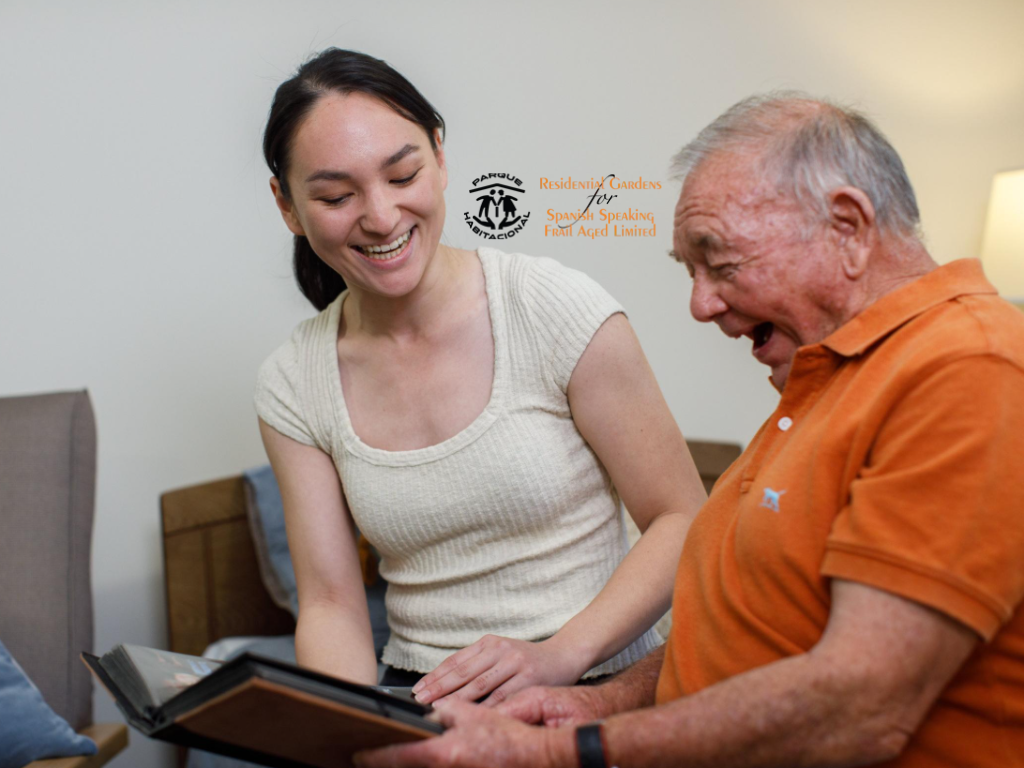
Looking through family photographs, reading together, discussing favourite memories or listening to familiar music can provide opportunities for connection.
Some residents may enjoy gentle activities such as card games, drawing or spending time in an accessible outdoor area.
Others may prefer quiet companionship.
For people with limited mobility, activities can be adapted to suit their comfort and physical abilities.
Families should check with staff before bringing food, assisting with mobility or organising activities that may affect the resident’s care needs.
The most useful activity is not necessarily the most complicated one.
Spending time together in a way the resident enjoys is often the main priority.
Supporting Residents With Higher Care and Dementia Needs
Family Involvement in an Aged Care Nursing Home Sydney
Some residents need additional assistance with mobility, personal care, communication or everyday activities.
These requirements can affect how family visits are arranged, but they should not prevent meaningful relationships from continuing.
Families exploring an aged care nursing home Sydney can ask how the care team supports visits for residents with complex needs.
For example, someone using a wheelchair may need assistance reaching a comfortable visiting area.
A person with hearing difficulties may benefit from a quieter environment where conversation is easier.
Family members can also share useful information about the resident’s preferred routines, interests and communication style.
Any exchange of personal care information should respect the resident’s consent, privacy and relevant decision-making arrangements.
Working with care staff can help families remain involved while ensuring support is appropriate to the older person’s needs.
Visiting Loved Ones With Dementia or High Care Needs
Families researching high care Rooty Hill services may be looking for residential care that can support substantial daily assistance or complex health needs.
The term high care is still commonly used, although Australian residential aged care now focuses on assessing each person’s individual care requirements rather than separating all residents into traditional high-care and low-care categories.
For someone living with dementia, familiar voices and routines may help make visits more comfortable.
Speaking calmly, allowing time for responses and avoiding unnecessary distractions can be helpful.
Some people may enjoy looking at photographs or listening to familiar music, while others may find shorter visits more manageable.
There is no single approach that suits everyone living with dementia.
Families should ask care staff about the person’s communication needs and adapt visits accordingly.
The most important consideration is respecting the resident’s comfort, dignity and individual preferences.
Choosing a Nursing Home That Welcomes Family Involvement
What to Look for in an Aged Care Nursing Home Sydney
When comparing residential aged care providers, families should consider how the home supports relationships as well as how it delivers care.
An aged care nursing home Sydney should provide opportunities for residents to maintain contact with important people in their lives.
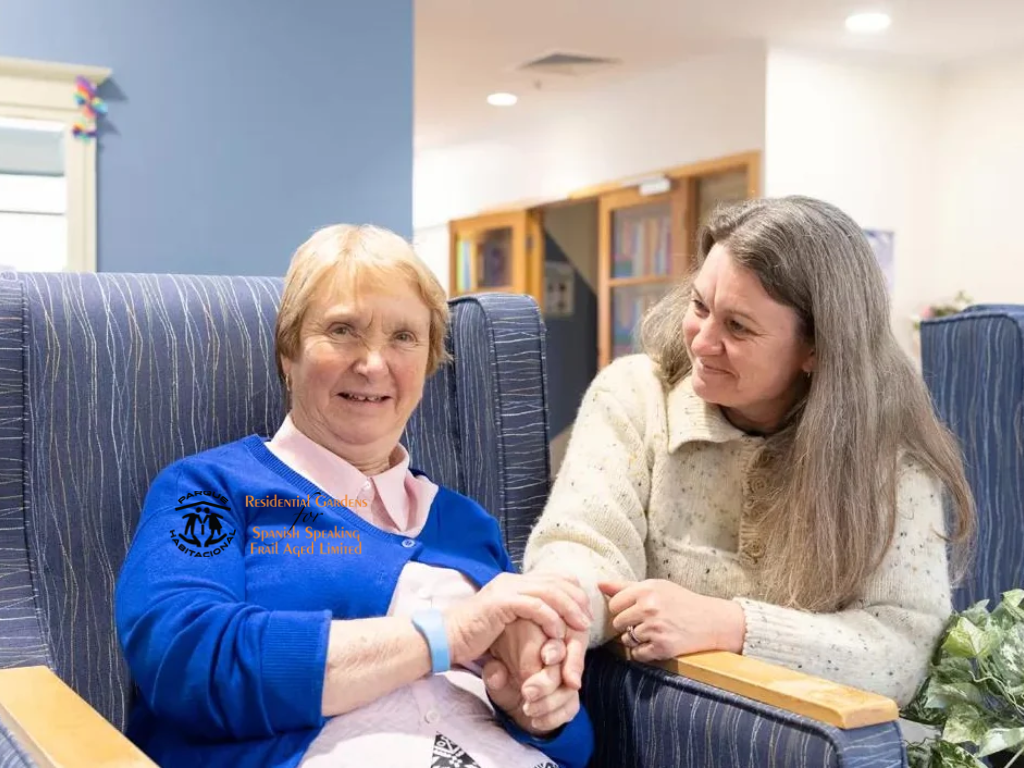
During a facility visit, ask whether residents can spend time with visitors privately and whether suitable shared spaces are available.
Consider the accessibility of entrances, visiting areas and outdoor spaces.
It is also useful to ask how staff communicate with families when residents want relatives involved in care discussions.
The answers may help you understand how the provider approaches resident choice and family participation.
Residential Gardens is an aged care provider located in Rooty Hill, offering residential care, respite care and support for people with different care requirements.
Families considering the service can explore Residential Gardens and contact the team to discuss current care options and visiting arrangements.
Before choosing any facility, arrange a visit and ask questions relevant to your loved one’s individual circumstances.
Comparing Modern Nursing Homes in Rooty Hill
Families searching for aged care Rooty Hill services may find it helpful to compare local facilities based on accessibility, accommodation and the everyday experience of residents.
When reviewing residential aged care facilities Rooty Hill, consider how convenient the location is for family members who wish to visit regularly.
Transport arrangements, accessible entrances and suitable parking may influence how easily relatives can maintain contact.
It is also worth considering the layout of bedrooms, communal spaces and private visiting areas.
Modern nursing homes may offer different accommodation and lifestyle features, but newer buildings do not automatically provide better care.
Families should also assess staff communication, available care services, resident preferences and publicly available quality information.
A suitable nursing home should meet the older person’s care needs while supporting their independence and personal relationships.
Understanding Care Standards and Family Communication
How Aged Care Standards Support Family Connections
Australian residential aged care providers are expected to meet applicable quality standards that protect residents’ rights, safety and wellbeing.
The strengthened Aged Care Quality Standards, which commenced on 1 November 2025, include requirements relating to individual choice, care services and the residential environment.
Standard 7, The Residential Community, recognises the importance of meaningful activities, personal relationships and continued connections with family and community.
For families comparing an aged care nursing home Sydney, these standards provide a useful reference when asking about everyday life in residential care.
Residents should be supported to maintain relationships of their choosing and have opportunities to enjoy activities that reflect their interests.
Families can ask how the provider supports private visits, social participation and communication with significant people.
Understanding these expectations helps families look beyond general promotional descriptions when comparing care services.
Nursing Home Compliance and Raising Concerns
involves meeting applicable aged care laws, quality standards and other provider obligations.
Families can review publicly available information through My Aged Care and the Aged Care Quality and Safety Commission.
This information can help identify relevant provider details, published performance information and available quality assessments.
However, no single rating or report provides a complete picture of everyday resident experience.
If concerns arise about visiting arrangements, communication or care, families can initially discuss them with the provider, where appropriate.
Residents and their representatives can also contact the Aged Care Quality and Safety Commission to raise concerns.
Free, independent advocacy is available through the Older Persons Advocacy Network.
Families should feel able to ask questions and seek assistance without concerns about unfair treatment.
Clear communication and respect for resident rights are important considerations when assessing residential aged care.
Preparing for Visits and Staying Connected Between Them
Practical Tips for Visiting an Aged Care Nursing Home Sydney
Preparing for a visit can make the experience more comfortable for everyone involved.
Before travelling, consider whether the resident has requested a particular visiting time or activity.
Check whether there are temporary health precautions or access arrangements that visitors should know about.
When visiting an aged care nursing home Sydney, allow enough time for conversation without assuming the resident wants a lengthy visit.
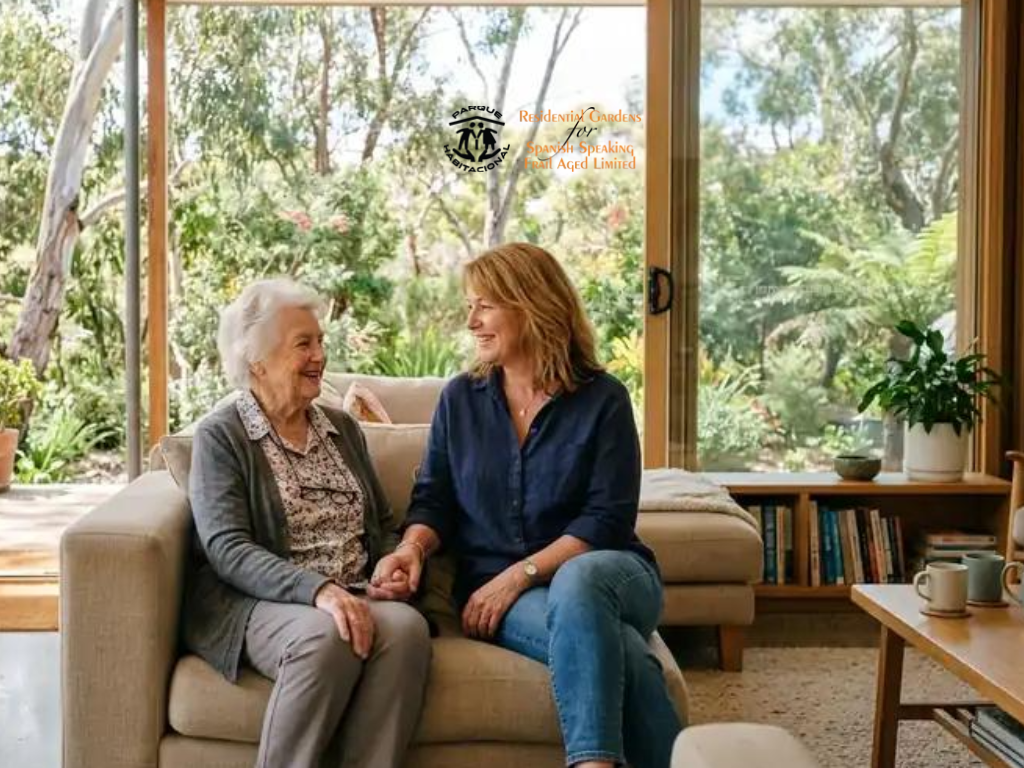
Bring personal items such as photographs or reading materials if these are welcome.
If the resident needs mobility assistance or has specific dietary requirements, discuss suitable arrangements with care staff.
Families should also respect the privacy of other residents when using shared spaces.
The goal is to create a relaxed experience that supports the resident’s comfort and preferred relationships.
Staying Involved When Regular Visits Are Difficult
Not every family can visit as frequently as they would like.
Work commitments, travel distances, health concerns and other responsibilities may limit opportunities for in-person contact.
Telephone calls, video conversations, letters and photographs can provide alternative ways to maintain relationships.
The best approach depends on the resident’s preferences and ability to use different communication methods.
Some residents may enjoy scheduled video calls, while others prefer a familiar voice over the telephone.
For families living outside Sydney, asking the care provider about available communication assistance may be useful.
Regular contact can also help relatives remain involved in important family events, even when they cannot attend in person.
If you are considering residential aged care in Rooty Hill or Western Sydney, Residential Gardens provides information about its available aged care services and accommodation options.
Visit Residential Gardens to learn more, discuss your loved one’s care needs and enquire about arranging a facility visit.
Choosing the right aged care nursing home Sydney involves considering more than accommodation and clinical support. It also means finding an environment where residents can maintain meaningful relationships, make personal choices and remain connected to family and friends.
By understanding visiting rights, exploring care arrangements and asking practical questions, families can make more informed decisions about residential aged care while respecting the independence and preferences of their loved ones.