
Choosing an aged care nursing home Sydney families can feel comfortable with is an important decision, especially when a parent, partner or relative is living with dementia. Families are often comparing more than rooms and locations. They need to understand how a home approaches personal care, daily routines, safety, changing health needs, communication and quality of life.
Dementia affects people differently, so there is no single type of residential care that suits everyone. The most useful approach is to compare aged care nursing homes according to the person’s current needs, preferences and routines, while also considering how those needs may change over time.
What Dementia Support Can Include in an Aged Care Nursing Home Sydney
An aged care nursing home Sydney residents move into can provide support with everyday activities, personal care and nursing care when living independently is no longer practical. For a person living with dementia, the level of support required will depend on their individual circumstances.
Some residents may mainly need reminders, help with meals or assistance with personal care. Others may require closer supervision, mobility assistance, medication support or more regular nursing care. Communication needs can also change as dementia progresses, which makes it important for staff to understand how the resident expresses discomfort, preferences and emotions.
When families compare aged care nursing homes, it is worth asking how the home learns about each resident’s previous routines, interests, preferences and life history. Dementia care should not be viewed only as managing symptoms. Everyday comfort, dignity and familiarity remain important parts of residential care.
When an Aged Care Nursing Home Sydney May Be Considered
Families may start considering an aged care nursing home Sydney option when care at home becomes increasingly difficult to manage. This may happen when a person requires more help with daily activities, is becoming less safe at home or needs ongoing care that family members cannot reasonably provide.
The decision is highly individual. Dementia alone does not automatically mean that someone needs residential care. Families often consider the person’s health, ability to manage everyday activities, available support at home and the sustainability of existing caring arrangements.
In Australia, people generally need to be assessed and approved for residential aged care before entering a government-funded aged care home. My Aged Care recommends checking the person’s assessment and approved services when approaching providers so families can confirm that the home can meet their needs.
What to Look for When Comparing Dementia Care
Questions to Ask an Aged Care Nursing Home Sydney
When visiting an aged care nursing home Sydney families should ask practical questions about how dementia care works from day to day. Instead of focusing only on whether the home says it provides dementia support, ask what that support actually involves.
It is useful to discuss how individual care plans are developed, how staff respond when a resident becomes distressed or confused, and how changes in health or behaviour are communicated to families. Ask how overnight care works and whether appropriate staff are available when residents need assistance outside normal daytime routines.
Families can also ask how meals, personal care, medication management and activities are adapted when someone has cognitive impairment.
The strengthened Australian Aged Care Quality Standards now place greater emphasis on areas including dementia care, clinical care, food and nutrition, individual needs and the residential community. These standards apply to residential aged care providers registered in Category 6.
Comparing Care Approaches at an Aged Care Nursing Home Sydney
Two aged care nursing home Sydney options may provide similar services on paper but feel quite different when visited in person.
Pay attention to how staff communicate with residents. Notice whether residents appear included in what is happening around them and whether staff take time to explain activities or care rather than rushing interactions.
Families should also ask how personal routines are respected. Someone who has always preferred to wake early, spend time outdoors, listen to particular music or eat at certain times may find the move easier when familiar preferences can continue where practical.
This person-centred approach is especially relevant for dementia care because familiarity and individual preferences can remain important even when memory and communication change.
Safety and Environment for People Living With Dementia

How an Aged Care Nursing Home Sydney Supports a Safer Environment
The physical environment is an important consideration when comparing an aged care nursing home Sydney families are considering for dementia care.
Look at whether rooms and common areas are easy to navigate, whether bathrooms are accessible and whether residents can move around without unnecessary obstacles. Lighting, signs, visual cues and the layout of corridors can all affect how easily a person understands and moves through their surroundings.
Outdoor areas are also worth considering. Safe access to gardens or outdoor spaces can provide opportunities for movement, fresh air and quiet time.
Australia’s aged care guidance recognises the importance of safe, supportive environments and dementia-friendly accommodation. National design guidance also considers access to outdoor areas, independence, privacy and creating a more home-like residential setting.
Why Familiarity Matters in an Aged Care Nursing Home Sydney
Moving into an aged care nursing home Sydney can be a major change for someone who has lived in the same home and followed familiar routines for many years.
Personal belongings can help make a new room feel more recognisable. Photographs, familiar furniture where permitted, favourite blankets, books or other meaningful items can make the space feel less unfamiliar.
Families should ask what residents are encouraged or allowed to bring with them and whether the room can be personalised.
Familiarity also extends beyond belongings. Continuing preferred routines, foods, hobbies and contact with important people can help the new home feel more personal rather than simply becoming a place where care is provided.
Personalised Care and Changing Health Needs
Care Planning in an Aged Care Nursing Home Sydney
A suitable aged care nursing home Sydney option should take time to understand the resident as an individual rather than focusing only on their diagnosis.
Care planning may need to consider mobility, communication, personal care, nutrition, sleep, medication, cultural preferences, interests and how the person usually responds when they are worried or uncomfortable.
Families often hold useful information because they know the person’s habits and history. Sharing that knowledge with the care team can help staff better understand what is normal for the resident and what may represent a change.
Current Aged Care Quality Standards require care and services to be tailored to the individual and place the person at the centre of how care is planned and delivered.
Managing Changing Needs in an Aged Care Nursing Home Sydney
When comparing an aged care nursing home Sydney families should consider not only what is needed today but also how the home manages changing needs.
Dementia is generally progressive, and a person’s physical health, communication, mobility, eating or level of assistance may change. Other health conditions may also develop independently of dementia.
Ask how care plans are reviewed and how the provider communicates significant changes to families or representatives. It is also useful to understand how clinical concerns are escalated and how external health professionals are involved when needed.
This can help families assess whether a facility appears capable of continuing to support the resident if their care requirements become more complex.
Lifestyle, Activities and Everyday Wellbeing
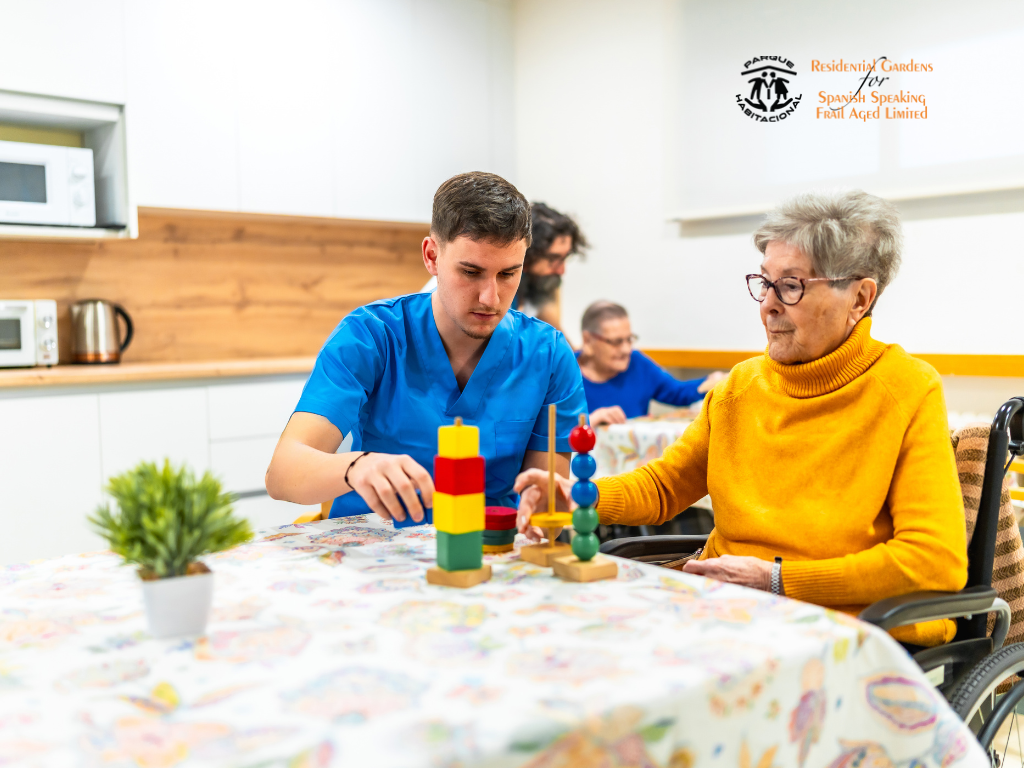
Lifestyle in an Aged Care Nursing Home Sydney
Lifestyle in aged care is about more than filling the day with organised activities. When comparing an aged care nursing home Sydney residents may call home, families should consider whether everyday life offers meaningful opportunities for connection, participation and enjoyment.
Activities may include music, gentle exercise, gardening, conversation, art, games, cultural activities or simply spending time outdoors. What matters is whether residents can participate in ways that suit their interests, abilities and preferences.
Someone living with dementia may not want to join every organised activity. A quieter one-to-one conversation, looking through photographs or listening to familiar music may be more meaningful for that individual.
Australia’s strengthened residential community standard recognises that people living in residential care should feel safe, included and respected and should be supported to remain connected with people and activities that are meaningful to them.
Daily Routines in an Aged Care Nursing Home Sydney
Modern nursing homes are increasingly expected to think about the resident’s whole experience rather than only completing care tasks. When comparing an aged care nursing home Sydney families should therefore ask what an ordinary day looks like.
Consider how much flexibility nursing home patients have around meals, rest, activities and social interaction. Some residents may enjoy a busy communal environment, while others may prefer quieter routines.
Food should also be part of the conversation. Ask how dietary needs and personal preferences are considered, particularly if dementia has affected appetite, eating habits or the person’s ability to communicate what they want.
The current Australian standards include dedicated requirements covering food and nutrition as well as the wider residential community, reflecting the importance of everyday quality of life in residential care.
Location, Family Visits and South-West Sydney Options
Choosing an Aged Care Nursing Home Sydney Near Family
Location is often one of the most practical factors when comparing an aged care nursing home Sydney families can visit regularly.
Being closer to relatives and friends can make regular visits easier and may help the resident maintain important relationships. Location may also matter if the person has connections to a particular community, cultural group, medical team or area of Sydney.
For families considering aged care south west Sydney options, it can be useful to compare homes close to the people most likely to visit rather than choosing solely on the appearance of the facility.
Dementia Australia also identifies location and maintaining contact with family and friends as important considerations when shortlisting residential care for someone living with dementia.
Comparing an Aged Care Nursing Home Sydney in the South West
Whether someone searches online for Age Care, agecare or aged care nursing homes, the important next step is to compare actual providers rather than assuming every facility offers the same environment or approach.
For an aged care nursing home Sydney’s south-west communities can conveniently access, consider travel time for family, nearby health services and whether the resident already has ties to the local area.
Then compare the individual facility. Look at available care, the environment, daily routines, communication, dementia support and whether the home can accommodate the person’s assessed needs.
Location can help narrow the search, but the quality and suitability of the care should remain central to the final decision.
Making a More Informed Aged Care Decision

Visiting an Aged Care Nursing Home Sydney Before Deciding
Visiting an age care nursing home Sydney in person can tell you things that photographs and website descriptions cannot.
Notice the general atmosphere when you enter. Observe how residents and staff interact and whether staff acknowledge residents respectfully. Look at shared areas, resident rooms where available to view, dining spaces and outdoor areas.
Ask what happens during a typical morning or afternoon rather than only requesting a list of services.
It can also be helpful to visit more than one home. Dementia Australia recommends comparing residential care options and considering areas such as location, dementia-friendly care, individual needs, culture and language rather than making a decision on one factor alone.
Families considering Residential Gardens can use the same approach: discuss the person’s individual needs directly with the home, ask detailed questions about available care and determine whether the environment and services are appropriate before making a decision.
What to Confirm With an Aged Care Nursing Home Sydney
Before choosing an aged care nursing home Sydney families should confirm what services are actually available to the person they are supporting.
Discuss dementia care, personal care, nursing support, accommodation, meals, daily activities and how changes in care requirements are handled. Ask what information the provider needs from the resident, family and aged care assessment before admission.
Fees and accommodation arrangements should also be explained clearly before an agreement is made. If something is unclear, ask for further explanation rather than making assumptions.
Finally, consider how the provider communicates with families once the resident moves in. Knowing who to contact, how care updates are provided and how concerns can be raised can make the transition easier to manage.
Choosing residential dementia care can involve several decisions at once, but families do not have to judge a home on appearances alone. Compare how each provider approaches the individual, care and services, safety, clinical needs, food, everyday life and the residential community.
For families considering Residential Gardens or another aged care nursing home Sydney provider, arranging a visit and discussing the person’s dementia care needs directly with the team is a practical next step before making a final decision.