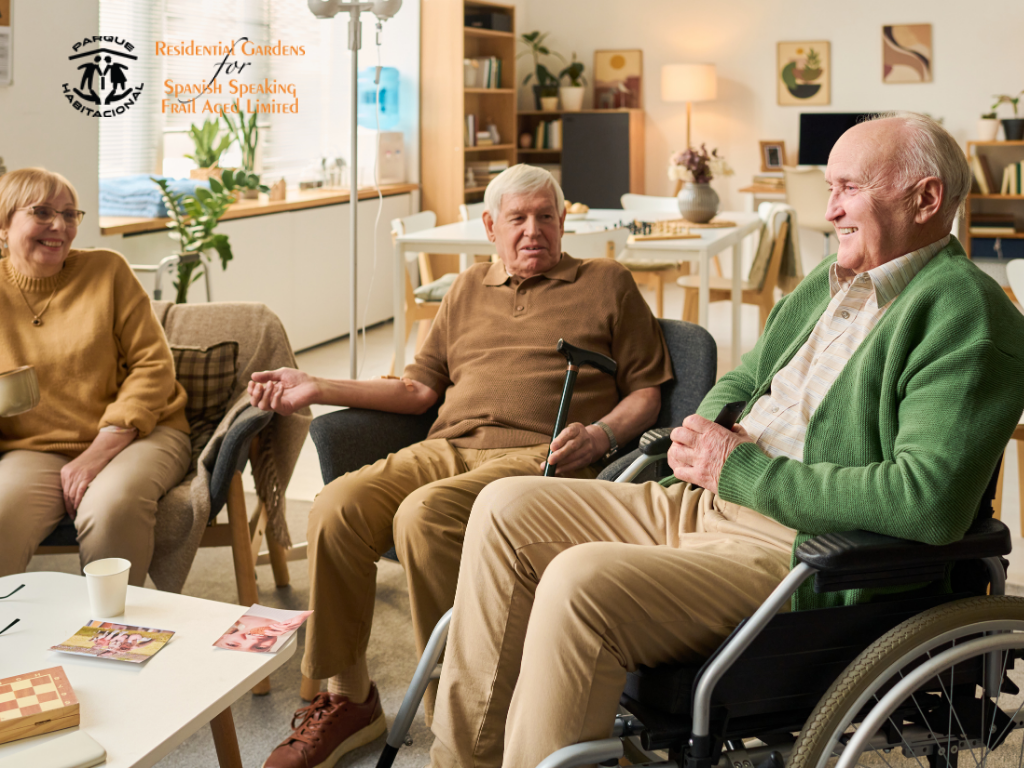
Moving into residential aged care does not mean giving up control, privacy or connection with the people and activities that matter. Older people continue to have rights as individuals, including the right to make decisions, receive safe care, be treated with dignity and raise concerns without fear of unfair treatment.
Australia’s Aged Care Act 2024 commenced on 1 November 2025. Its Statement of Rights applies to older people accessing aged care services funded by the Australian Government. These rights cover independence, informed decision-making, equitable access, safe and culturally appropriate care, privacy, communication, advocacy and social connection.
Understanding these protections can help residents and families compare aged care nursing homes, participate in care planning and recognise when something is not right. This guide explains what the current framework means for anyone considering an aged care nursing home in Sydney or supporting a person who already lives in residential care.
This information is general guidance rather than legal or clinical advice. Individual concerns may require assistance from the provider, an independent advocate, a healthcare professional, the aged care regulator or emergency services.
What the Current Rights-Based Framework Means
The current framework places the older person at the center of their care. A resident is not simply the recipient of services or one of many nursing home patients. They are an individual whose preferences, values, relationships, identity and quality of life must be recognized.
Under the Statement of Rights, an older person has the right to make decisions that affect their life. This includes decisions about the services they receive, how and when those services are delivered, who provides them, and how they manage their personal possessions and financial affairs. When a resident needs help to make a decision, they should receive appropriate support rather than automatically having the decision made for them.
Residents also have the right to take reasonable personal risks in pursuit of independence, relationships, social participation and quality of life. This is sometimes called dignity of risk. It does not mean that a provider can ignore safety. It means that safety planning should not unnecessarily remove a resident’s freedom, preferences or independence.
The full rights framework is set out in the Australian Government’s Statement of Rights. Families may find it helpful to read this document before comparing homes or discussing a care agreement.
Who Must Respect and Protect These Rights?
Registered aged care providers have responsibilities under the Aged Care Act, the strengthened Aged Care Quality Standards and other applicable requirements. Workers and responsible people must also follow the Aged Care Code of Conduct.
In practical terms, respecting rights is not limited to senior management. It affects how nurses explain medication, how personal care workers enter a bedroom, how kitchen staff respond to dietary needs and how administration staff answer questions about services and fees.
Visiting healthcare professionals and contractors may have their own professional and legal duties as well. A provider should have systems that help everyone involved in care understand the resident’s needs, preferences and relevant protections.
Families should look beyond written policies when assessing a home. The way staff speak to residents, respond to requests and involve people in everyday decisions can reveal how those policies work in practice.
The Right to Dignity, Respect and Independence
Every resident has the right to be treated with dignity and respect. Care should be safe, fair, equitable and free from discrimination. A person’s age, disability, dementia diagnosis or need for high care does not reduce these protections.
Respect can be seen in small but important actions. Staff should use the resident’s preferred name, explain what they are doing, listen without rushing and avoid speaking about the person as though they are not present. Personal care should be provided sensitively, and help with bathing, dressing, eating or using the bathroom should not cause unnecessary embarrassment.
The resident’s history and identity should inform their care. Their previous work, interests, family roles, language, faith and personal routines can help staff understand what makes them feel comfortable and secure.
When comparing modern nursing homes, families can ask how personal preferences are recorded and communicated between employees. They can also ask how the provider supports residents whose needs, communication abilities or behavior change over time.
Making Choices About Everyday Life
Residents should be involved in decisions about their daily routines wherever possible. This may include when they get up, what they wear, where they eat, which activities they join and how they spend private time.
Choice does not mean that every request can always be met exactly as asked. Clinical needs, shared living arrangements and genuine safety concerns may affect what is possible. However, the provider should explain any limitation and work with the resident to find a reasonable alternative.
Care planning should be collaborative rather than something completed around the resident. The person should be invited to explain what matters to them, which outcomes they want and who they would like involved. Plans should also be reviewed when health, mobility, preferences or personal circumstances change.
A resident may want support from a family member, advocate or another trusted person when making decisions. That support should strengthen the resident’s own voice rather than replace it unnecessarily.
Privacy, Personal Information and Private Space

Protecting Personal and Health Information
Aged care providers handle detailed information about health, medication, finances, family circumstances and personal preferences. Residents have the right to have their personal information protected and their privacy respected.
Information should only be accessed by people who need it for an authorized purpose. Staff should avoid discussing a resident’s health or personal circumstances where other residents, visitors or unrelated workers can hear the conversation.
Residents should be able to ask what information the provider holds about them and seek records and information about their care, rights and service costs. Providers should explain how requests can be made and whether any lawful limitations apply.
Families should also clarify who has authority to receive information. Being closely related to a resident does not automatically mean that every clinical or personal detail can be shared without regard to the resident’s wishes, decision-making arrangements and applicable law.
Respecting Bedrooms, Belongings and Private Conversations
A resident’s room is their personal living space, even though it is located within a care facility. Staff should respect that space by announcing themselves, seeking permission before entering where practicable and explaining why access is required.
Privacy is particularly important during bathing, dressing, toileting and medical treatment. Doors, curtains and screens should be used appropriately, and unnecessary people should not be present during personal care.
Residents should have opportunities to speak privately with family, friends, advocates, doctors and other trusted people. They should also be able to maintain personal possessions, subject to reasonable safety and space considerations.
Before selecting a home, families can ask how bedrooms are accessed, whether residents can personalize their rooms, how valuables are managed and where private conversations can take place. These details can make a significant difference to a person’s comfort and sense of home.
Safe, Appropriate and Culturally Respectful Care
Residents have the right to quality and safe funded aged care south west delivered by workers with appropriate qualifications, skills and experience. Care should respond to the individual’s assessed needs rather than relying on the same routine for everyone.
A person requiring high care may need assistance with mobility, continence, eating, medication, wound care or complex health conditions. The provider should explain which services it can deliver, how clinical changes are identified and when external health professionals become involved.
Care planning should address known risks while still respecting choice. If a person is at risk of falling, for example, the response should consider mobility support, the environment, medication, suitable equipment and the resident’s goals. Simply restricting movement may not be an appropriate or proportionate solution.
Families should ask how staff communicate changes in health and what happens after a fall, medication error, hospital admission or other incident. Clear escalation and family communication arrangements are important indicators of organized care.
Respecting Culture, Faith, Language and Identity
Safe care includes cultural safety and respect for identity, spirituality and diversity. This may affect food, clothing, communication, personal care, religious observance, celebrations, family involvement and end-of-life preferences.
Aboriginal and Torres Strait Islander residents have the right to culturally safe and appropriate care. The Statement of Rights also recognizes connection with community, Country and Island Home.
Residents from culturally and linguistically diverse communities may need an interpreter or another communication aid. Family members can sometimes provide useful support, but they should not always be treated as a replacement for a qualified interpreter when important care decisions are being discussed.
A person’s gender, sexual orientation and intimate relationships should also be respected. Residents retain the right to personal relationships and appropriate privacy. Providers should not make assumptions about a person’s identity or dismiss a relationship because the resident is older or requires care.
For families comparing age care services in multicultural parts of Sydney, useful questions include how cultural preferences are documented, whether interpreters are available and how the home supports religious, dietary and community connections.
Communication, Relationships and Community Connection
Staying Connected with Family and Friends
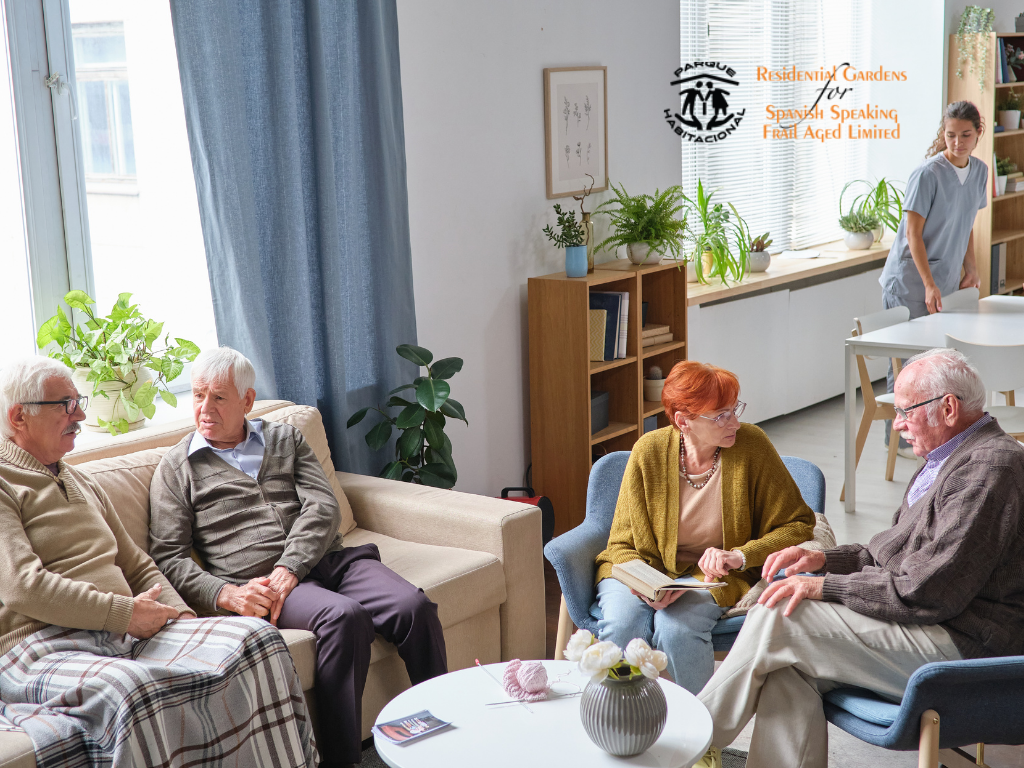
Moving into a care home should not separate a resident from the people who matter to them. The Statement of Rights recognizes the role of significant people, including carers, family members, friends, visitors and volunteers.
Residents should have opportunities and assistance to maintain these relationships if they choose. This can include safe visits, telephone and video calls, community outings and visits to family or friends.
Providers may need reasonable arrangements to protect residents during an infection outbreak, emergency or another genuine risk. Any restriction should be explained, proportionate and reviewed rather than applied indefinitely for convenience.
Social connection extends beyond family visits. Residents may want to participate in cultural events, religious services, hobbies, community activities or public life. A good activities program should offer meaningful choice rather than expecting every person to enjoy the same group entertainment.
Receiving Information in an Understandable Way
Residents have the right to be informed about their services in a way they understand. Important information should not be hidden behind technical language, rushed explanations or documents the resident cannot read.
Communication may need to be adapted for people living with dementia, hearing or vision loss, speech difficulties or limited English. Helpful support may include interpreters, hearing devices, large-print documents, visual cues, plain-English explanations or allowing additional time.
The resident should be able to express their preferences and be heard. Communication should be a genuine exchange, not simply staff providing instructions.
Families can ask how the provider communicates changes to care, fees, staffing arrangements and services. They should also clarify who will be the main contact and how urgent and routine updates are handled.
Protection from Neglect, Abuse and Mistreatment
Every resident has the right to be free from violence, degrading or inhumane treatment, exploitation, neglect, coercion, abuse and sexual misconduct. These protections apply regardless of the resident’s health, communication ability or cognitive condition.
Physical abuse may involve hitting, pushing, rough handling or the inappropriate use of force. Emotional mistreatment can include threats, humiliation, intimidation, deliberate isolation or repeatedly ignoring a person’s wishes.
Neglect may occur when essential assistance, food, fluids, hygiene, medication or clinical attention is not provided. Financial abuse can involve pressure, unauthorized transactions, misuse of money or interference with property. Sexual conduct without valid consent is unacceptable.
Families should pay attention to unexplained injuries, fear around particular people, sudden withdrawal, poor hygiene, weight loss, missing belongings or an unexpected change in behavior. These signs do not automatically prove mistreatment, but they warrant careful and timely investigation.
Restrictive practices are subject to specific requirements and should not be used simply because they make care easier to deliver. If restraint is proposed or being used, the resident or their representative should ask why, what alternatives have been tried, how the decision is authorized and when it will be reviewed.
What Families Should Do When They Have Safety Concerns
An immediate threat to life or safety should be treated as an emergency. Contact emergency services on 000 where urgent police, fire or ambulance assistance is required.
For other concerns, record what happened as clearly as possible. Note dates, times, locations, people involved, observed injuries, changes in behavior and any conversations with staff. Keep relevant emails, photographs or documents where it is safe and appropriate to do so.
Raising the issue with the provider may allow it to be addressed quickly. Ask what immediate action will be taken, who will investigate, when an update will be provided and how the resident will be protected while the matter is reviewed.
If the response is inadequate or the person does not feel safe approaching the provider, a concern can be raised with the Aged Care Quality and Safety Commission. Anyone can contact the Commission, including a resident, family member, friend, carer, worker or health professional. Information about open, confidential and anonymous options is available through the Commission’s complaints guidance.
Raising Concerns and Comparing Aged Care Providers

Making a Complaint Without Fear of Unfair Treatment
Residents have the right to make complaints through an accessible process without fear of reprisal. Complaints should be handled fairly and promptly, and a person should not be punished or treated differently because they raised a genuine concern.
A resident may start by speaking with the employee involved, a nurse, a manager or the provider’s complaints contact. They can explain what happened, how it affected them and what outcome they are seeking. Depending on the issue, that outcome might involve an explanation, correction, apology, care-plan review or evidence that safer practices have been introduced.
The Aged Care Quality and Safety Commission can be contacted on 1800 951 822. The Commission accepts complaints and feedback about providers, workers and responsible people, although some legal, clinical and financial matters may need to be referred elsewhere.
Independent assistance is available through the Older Persons Advocacy Network. OPAN provides free and confidential aged care advocacy and can help people understand their rights, prepare for discussions and raise concerns. Its Aged Care Advocacy Line is 1800 700 600. More information is available from OPAN.
Questions to Ask an Aged Care Nursing Home in Sydney
When comparing providers, ask how residents participate in care planning, how personal routines are supported and what happens when a person disagrees with a recommendation. The provider should be able to explain its approach clearly and provide relevant documents for review.
It is also useful to ask how privacy is protected, how cultural and language needs are supported, how family members receive updates and how residents access independent advocates. For anyone needing high care, ask about clinical staffing, overnight support, medication management and the process for responding to a health change.
Families considering aged care in south-west Sydney should also think about practical location factors. A home that is reasonably accessible to relatives, friends, healthcare providers and the resident’s existing community may make it easier to maintain important relationships.
Published information can support the comparison, but it should not replace a personal visit. Observe whether residents appear comfortable, whether employees speak respectfully and whether the environment feels calm, clean and welcoming. Ask to see current service information, room costs, complaint procedures and the provider’s approach to the Statement of Rights.
Residential Gardens can discuss its residential care services, accommodation, daily support and admission process with prospective residents and their families. When contacting the home, share the person’s care needs, routines, cultural preferences and any high-care requirements so the team can explain whether the available services may be suitable.
Choosing an aged care nursing home in Sydney is an important decision, but families do not need to evaluate a provider on appearance alone. Understanding residents rights creates a stronger basis for asking questions, comparing services and selecting care that respects the person as an individual.