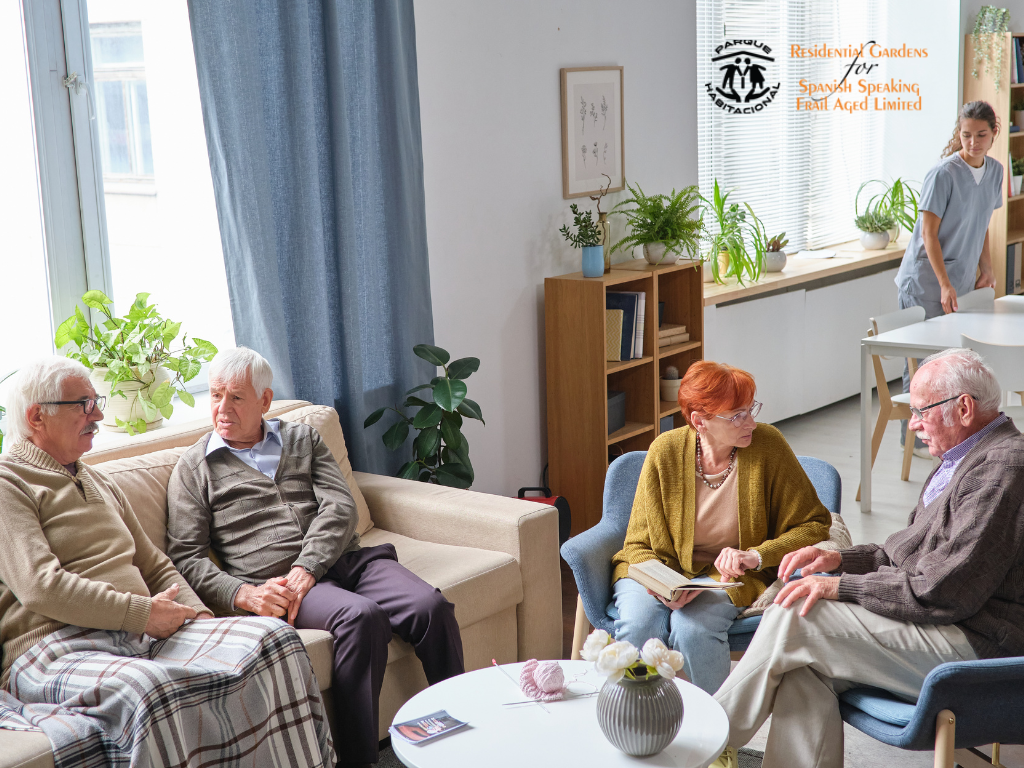
Choosing modern nursing homes is one of the most important decisions many families will make for an older loved one. It is not only about finding a room. It is about finding a place where the person can feel safe, supported, respected, and cared for each day.
A good aged care home should support daily living, personal care, health needs, social connection, and comfort. It should also help families feel informed and included, especially when care needs change over time.
For many families, the decision comes after a period of stress. A parent may be finding it harder to live alone. A partner may need more support than family can provide at home. A hospital stay may show that extra care is now needed. In these moments, having clear information can make the process feel less overwhelming.
Care that supports comfort and safety
Modern aged care should support both care and quality of life. This may include help with bathing, dressing, mobility, meals, medication, continence care, nursing needs, and social activities.
Comfort also matters. Families often look at room layout, outdoor areas, shared spaces, meal options, privacy, visiting arrangements, and the general feeling of the home.
Safety should be part of the decision too. This includes fall prevention, staff response, medication support, infection control, mobility assistance, and how the home manages changing health needs.
A decision that affects the whole family
Moving into aged care can be emotional for everyone. The older person may feel uncertain about leaving home. Family members may feel worried, guilty, relieved, or unsure about what to ask.
That is why the best decision is usually practical and personal. Families should consider care needs, location, cost, visiting access, communication, lifestyle, and how the resident’s preferences will be respected.
A useful aged care provider should be able to explain services clearly and answer questions without pressure.
What Services Should a Modern Nursing Home Provide?
Aged care homes can support older people who need help with everyday tasks, personal care, and health care. The exact services may vary, so families should ask what is included and what may cost extra.
The goal is to understand what daily life will look like, not just what is listed in a brochure.
Everyday living and personal support
Everyday support may include meals, cleaning, laundry, personal hygiene, dressing, mobility assistance, continence support, and help with daily routines.
Families should ask about meal choices, cultural food needs, laundry processes, room cleaning, personal belongings, and how staff support residents who need encouragement or extra time.
Social support is also important. Activities, shared meals, music, gentle exercise, craft, gardening, visiting programs, and quiet spaces can all help residents feel more connected.
Nursing and clinical care needs
Some residents need more clinical support than others. This may include nursing care, medication management, wound care, mobility support, pain management, dementia support, diabetes care, allied health, physiotherapy, podiatry, or speech therapy.
Families comparing high care and low care should ask how care needs are assessed, reviewed, and updated. A resident’s needs may change, so the home should be able to explain how care plans are adjusted over time.
This is especially important when the person has complex health needs, memory changes, falls risk, or recent hospital stays.
How Do High Care and Low Care Differ?

The terms high care and low care are often used by families to describe different levels of support. While formal aged care language may vary, these terms are still helpful when discussing how much assistance a person needs each day.
The main difference is the level of daily and clinical support required.
When low care may be suitable
Low care may suit someone who needs help with daily tasks but still has some independence. For example, they may need support with meals, cleaning, showering, dressing, medication prompts, mobility, or social activities.
A person needing low care may still be able to make many daily choices and take part in activities with light support.
Families should ask how independence is encouraged. This may include choice in routines, room setup, activities, meals, and personal preferences.
When high care may be needed
High care may be needed when a person has more complex health or personal care needs. This may include significant mobility support, nursing care, complex medication needs, dementia care, continence support, wound care, frequent monitoring, or help after hospital discharge.
Families searching for high care rooty Hill may be looking for a home that can support more detailed care planning and regular staff assistance.
When comparing high care options, ask about clinical oversight, staff communication, care reviews, falls prevention, dementia support, and how families are updated when health needs change.
Why Location Matters in Rooty Hill and Western Sydney
Location is an important part of choosing aged care. A home may offer strong services, but families also need to think about how easy it is to visit, stay involved, attend appointments, and respond when needed.
For many families in Western Sydney, staying close to familiar suburbs can make the transition easier.
Easier visits and local family support
Families often look for residential aged care facilities Rooty Hill because they want to stay close to their loved one. Regular visits can support emotional wellbeing and help the resident feel connected to family life.
A local location may also make it easier for children, grandchildren, friends, and carers to visit more often. This can be especially helpful during the early settling-in period.
When visiting homes, think about parking, public transport, travel time, visiting spaces, outdoor areas, and whether the location suits the family’s weekly routine.
Access to familiar places and services
A familiar area can help older people feel more settled. Being near known suburbs, local churches, GPs, hospitals, shops, or community groups may support a smoother transition.
For families comparing an aged care nursing home Sydney option, Rooty Hill may be practical if relatives live in Western Sydney or nearby areas.
It is also worth asking how the home supports appointments, family communication, and external health services. These details can make daily care easier to manage.
How to Choose the Right Aged Care Service

Choosing the right aged care service means looking at care, comfort, communication, fees, safety, and lifestyle together. A modern building is helpful, but it should not be the only deciding factor.
The best choice is the one that fits the person’s care needs, personality, family situation, and long-term support needs.
Compare care, comfort, communication, and fees
When comparing modern nursing homes, ask practical questions during a tour or enquiry.
Useful questions include:
- What care services are included?
- How are care plans created and reviewed?
- What support is available for high care?
- What support is available for low care?
- How are families kept updated?
- What activities are offered?
- How are meals planned?
- What personal items can residents bring?
- What fees and optional costs apply?
- How are concerns or complaints handled?
Families should also look at how staff interact with residents. Are people spoken to with respect? Do residents seem comfortable? Are shared areas clean and calm? Are staff willing to answer questions clearly?
When local provider knowledge can help
Residential Gardens may be useful to consider when families are comparing residential aged care facilities Rooty Hill, high care rooty Hill, low care, and aged care nursing home Sydney options.
This can be helpful when families want to understand what level of care may suit their loved one, what room or service options are available, and what questions to ask before making a decision.
When speaking with any provider, ask for clear information about care levels, fees, daily routines, visiting arrangements, health support, and the next steps for assessment or admission.
What Mistakes Should Families Avoid?
Choosing aged care can feel urgent, especially after a hospital stay or sudden health change. Even so, it is worth taking time to ask the right questions.
A careful decision can help reduce stress later.
Avoid choosing only by appearance
A clean, modern building is important, but appearance alone does not show the full quality of care. Families should also look at staff communication, resident dignity, care planning, activities, clinical support, food quality, and how concerns are managed.
Ask how the home supports residents who need extra help, feel anxious, have memory changes, or find it hard to join activities.
Also ask about staffing, care reviews, and what happens if the resident’s needs increase over time.
Avoid leaving questions until admission day
Families should ask important questions early. This may include fees, room details, personal items, medication, meals, laundry, visiting times, appointments, activities, clinical support, and complaints.
It also helps to prepare a list of the person’s needs and preferences. Include routines, food likes and dislikes, mobility needs, communication needs, cultural preferences, hobbies, sleep patterns, and health concerns.
The more the provider understands the person, the easier it may be to plan suitable care.
When Should You Contact the Company?

You should contact an aged care provider when care needs are changing, when family support is becoming harder to manage, or when you need help understanding available options.
It is better to ask early than to wait until the situation becomes urgent.
When care needs are changing
Contact a provider if your loved one is having more falls, forgetting medication, struggling with meals, needing help with personal care, becoming isolated, or feeling unsafe at home.
You may also need support after a hospital stay, during carer stress, after a dementia diagnosis, or when home care is no longer enough.
Families looking at high care or low care should ask how the home assesses changing needs and how care plans are updated.
When you need help comparing options
Contact the company when you want to arrange a tour, ask about availability, understand care levels, compare rooms, or learn about fees.
You should also ask what steps are needed before entry into residential aged care, including assessments and documents.
To finish, modern nursing homes should offer more than accommodation. They should support safety, care, dignity, comfort, and connection. By asking practical questions and comparing services carefully, families can make a clearer and more confident decision for their loved one.